Modern Fashion Lifestyle 2026
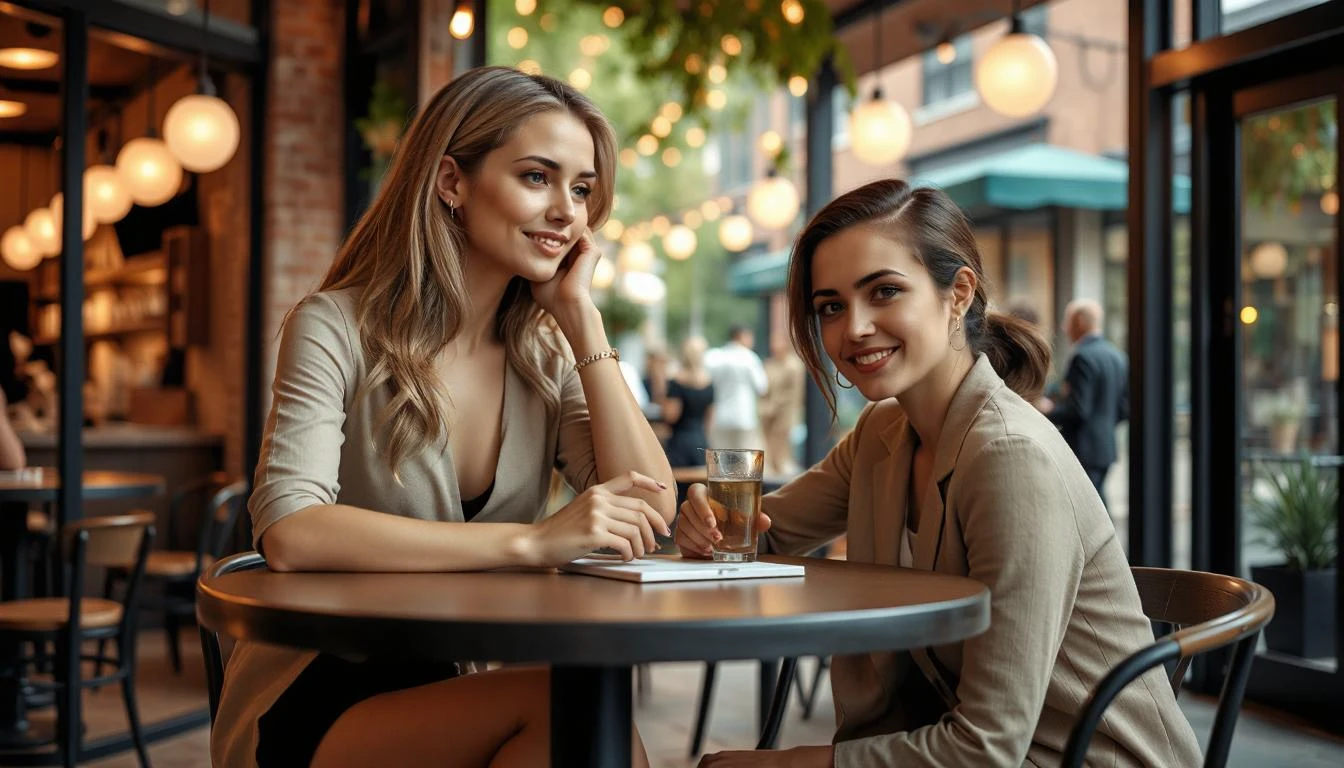
Fashion today is no longer just about what you wear, it is a language, a signal, and a living reflection of how global culture is evolving in real time. Every outfit now carries meaning beyond aesthetics, blending identity, technology, and social influence into a single expressive ecosystem that connects people across borders.
In this new era of transformation, the urban fashion lifestyle becomes the core expression of modern identity, shaping how individuals present themselves in physical spaces and digital environments. This evolution is not random; it is driven by cultural acceleration, marketplace globalization, and the rise of intelligent fashion systems that continuously redefine personal style.
Future Direction of Global Fashion Lifestyle
The future of fashion is unfolding faster than ever, and every shift feels interconnected. Consumers are no longer passive observers; they are active participants shaping global aesthetics through digital platforms, marketplaces, and cultural exchanges that never sleep.
The direction of modern style is becoming increasingly fluid, where technology and creativity merge into a single ecosystem that continuously adapts to human behavior and digital evolution.
Digital fashion and virtual outfits
The expansion of digital identity has introduced new ways of dressing beyond physical clothing. Virtual outfits now dominate gaming worlds, metaverse platforms, and social media avatars, creating a parallel fashion economy that operates 24/7. The keyword street style trends 2026 plays a significant role here as physical streetwear increasingly influences virtual designs, blurring the line between reality and simulation.
The urban fashion lifestyle is now deeply tied to metaverse fashion retail, where digital garments are not just aesthetic choices but also status symbols within online communities. According to fashion futurist Daniel Harper, “Digital clothing is not replacing physical fashion, it is expanding identity into a new dimension where creativity has no material limits.”
Gender neutral clothing expansion
Fashion boundaries are dissolving as gender-neutral collections become mainstream. Designers are focusing on fluid silhouettes, adaptive sizing, and universal aesthetics that resonate with a global audience seeking inclusivity and freedom of expression. This movement strengthens the core of urban fashion lifestyle, where individuality is prioritized over traditional categorization.
Supporting trends such as inclusive fashion design systems and adaptive clothing innovation are reshaping how brands approach global audiences. The result is a marketplace where identity is self-defined rather than assigned.
Smart fabrics and wearable tech
Technology is now stitched directly into clothing. Smart fabrics capable of monitoring health, adjusting temperature, and interacting with devices are redefining functionality in fashion. The rise of AI-driven wearable technology clothing is making garments smarter and more responsive than ever.
In the context of urban fashion lifestyle, this shift represents a fusion of utility and aesthetics. Fashion is no longer passive, it is interactive, responsive, and intelligent, responding to the wearer’s environment and behavior in real time.
Urban Culture and Lifestyle Influence
Urban environments remain the heartbeat of global style evolution. Cities act as cultural laboratories where music, art, and fashion collide, creating trends that spread globally within seconds through digital platforms.
This influence is accelerating as social media and urban subcultures merge into a unified force that continuously reshapes how people interpret fashion identity.
Streetwear dominance in daily fashion
Streetwear has evolved into a universal style language. Oversized silhouettes, functional layering, and bold visual identity define the modern wardrobe. The influence of street style trends 2026 is visible in both luxury fashion and everyday wear, proving that street culture has officially entered the mainstream.
The urban fashion lifestyle thrives in this space because it reflects authenticity and self-expression. Everyday clothing is no longer just functional, it is symbolic, representing belonging, creativity, and cultural awareness.
Social media driven fashion identity
Social platforms have become the new fashion runways. Algorithms now dictate visibility, shaping what becomes trendy within hours. The rise of social commerce marketplaces fashion demonstrates how buying behavior is now directly influenced by digital engagement.
As influencer ecosystems expand, personal identity becomes increasingly curated. Fashion is no longer discovered, it is algorithmically delivered, making style evolution faster and more unpredictable.
Music and pop culture impact
Music continues to shape fashion identity more than ever. Hip-hop, K-pop, and electronic scenes heavily influence visual aesthetics in global markets. The urban fashion lifestyle reflects this fusion, where artists become cultural architects defining how millions dress and express themselves.
Fashion historian Laura Mitchell notes, “Music doesn’t just inspire fashion anymore, it engineers it, setting emotional and visual codes that define entire generations.”
Sustainable Fashion Lifestyle Movement
Sustainability is no longer a trend; it is a structural shift in global fashion systems. Consumers are becoming more conscious, demanding transparency, ethics, and environmental responsibility from brands.
The modern marketplace is responding with innovation that balances style, function, and ecological awareness.
Eco conscious clothing choices
The rise of sustainable apparel reflects a growing awareness of environmental impact. Consumers are actively seeking materials like organic cotton, recycled fibers, and biodegradable textiles. Searches like how to build an eco friendly urban wardrobe in 2026 highlight this behavioral shift.
Within the urban fashion lifestyle, sustainability is becoming a core identity marker, not just a preference.
Slow fashion vs fast fashion shift
The tension between slow and fast fashion continues to shape purchasing behavior. While fast fashion offers accessibility and speed, slow fashion emphasizes durability, craftsmanship, and ethical production.
The balance between both models defines modern consumption patterns, where consumers mix affordability with responsibility in their daily wardrobe choices.
Circular fashion economy growth
The circular economy is transforming how clothing is produced, consumed, and reused. Resale platforms, rental fashion, and recycling systems are becoming essential components of global cross-border fashion marketplaces.
This evolution reinforces the idea that fashion is no longer linear, it is cyclical, continuously regenerating value through reuse and reinvention.
Upgrade Your Modern Lifestyle with Future Fashion Trends
The transformation of global style is accelerating into a hybrid ecosystem where physical and digital fashion coexist seamlessly. The urban fashion lifestyle is now defined by adaptability, creativity, and technological integration, making personal style more dynamic than ever before.
As street style trends 2026 continue to evolve, individuals are encouraged to explore fashion not just as consumption but as expression. The marketplace is no longer just a place to buy, it is a space to participate, create, and influence global aesthetics.
The future belongs to those who understand that fashion is no longer static. It is alive, responsive, and deeply connected to cultural and technological change.